
Eberly News
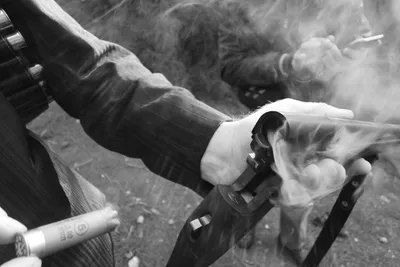
It's a match
WVU forensic and investigative science professor researching connection between fingerprints and firearms
Department of English to host reading by instructor Geoffrey Hilsabeck
The
WVU Department of English will host a reading by Geoffrey Hilsabeck on
Thursday, Feb. 1 at 7:30 p.m. in the
WVU Downtown Library’s Milano Reading Room.
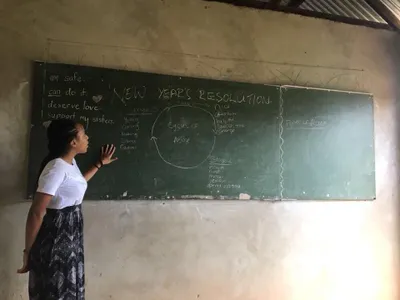
Shape Your Destiny: Shaniyah Jasper
West Virginia University sophomore Shaniyah Jasper, a women’s and gender studies major with a minor in law and legal studies, aspires to help improve the everyday lives of women around the world. The Iselin, New Jersey native traveled to Uganda during the winter recess to advocate for women’s rights and teach about HIV/AIDS prevention. She talked with us about her volunteer experience and her plans for the future.
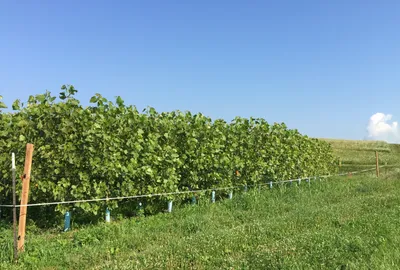
Regrowth
WVU biologist to use reclaimed mines for plant growth
WVU's Eberly College announces 2017-18 Outstanding Teacher Award recipients
The Eberly College of Arts and Sciences at West Virginia University has named four recipients of the 2017-18 Outstanding Teacher Award: Gwen Bergner, Ned Flagg, Krystal Frazier and Carrie Rishel.
Shape Your Destiny: Holly Pettus
The thrill of volcanoes led West Virginia University senior Holly Pettus to a National Science Foundation Research Experience for Undergraduates at the University of Hawaii this summer.
Voices of WVU
Department of English's West Virginia Dialect Project launches 'WVU Voices' documentary
WVU’s Eberly College announces 2017-18 Public Service Award recipients
The Eberly College of Arts and Sciences at West Virginia University has named three recipients of the 2017-18 Outstanding Public Service Award: Paul Cassak, Amy Herschell and Amy Keesee.
WVU’s Eberly College announces 2017-18 Outstanding Researcher Award recipients
The Eberly College of Arts and Sciences at West Virginia University has named two recipients of the 2017-18 Outstanding Researcher Award: Sean McWilliams and Aaron Metzger.
New book from Rice and WVU sociologists examines what religious Americans think about science
What do religious Americans really think about science?